Showing posts with label Health. Show all posts

The Ultimate Cure For Diabetes is Finally Available for Everybody Around the World

Finally the ultimate cure for diabetes is within us, invented by Naskar Inventions. You can obtain it too for your home usage or clinical application. 

Friends,    to make your life free from diabetes and to get your health back visit the website  Diabetes Free World


MIRACURALL - Cure For Diabetes

The first ever Cure for the deadly disease named as Diabetes or High Blood Sugar has recently been invented in India. The invention is demonstrated in the documentary here by the Inventor himself. Such an invention is a great gift to humanity. The Cure is a brain-child of an Indian Inventor, Mr. Abhijit Naskar.


Diabetes Mellitus has so long been thought to be an incurable disease. People with this disorder, would have to take medications their whole life along with a restricted diet to keep their blood sugar level in control. It has been tyrannizing mankind for ages. A person having a fasting glucose level under 100 mg/dl is considered as normal, 100-126 mg/dl is pre-diabetic and a fasting glucose level above 126 mg/dl is diabetic. For two long years, Mr. Naskar has worked individually on making the wish of millions of a cure for this deathly disease, a reality.

The cure is a portable electronic device which compels the Central Nervous System to start working on the regeneration of the pancreatic cells and the receptor cells that are responsible for regulating blood sugar level. To put it simply, the malfunctions inside the human body that are the causes of diabetes, get cured and those defective cells start working normally again. It is administered from outside of the body. Consequently, a person with a Hyperglycemia (high blood sugar level), no more has it high, and gets transformed into a normal human being, who could eat and drink any sweetness he/she wants. He/she needs not to take any more medicines. This device doesn't just make the blood sugar level normal, it CURES Diabetes ( both Type - I & II ) completely not to come back again. It is a CURE, not just control. Naskar has named his invention as MIRACURALL.

Anybody who wants to learn more or have any other query may contact the inventor. Contact details are given below. Voluntary administration of the device conducted by the inventor has been a true success. Mr. Naskar holds a patent for his invention, Miracurall. The device will be launched into the international market in near future. Afterwards there will be no more utterance of the terrible Diabetes on planet earth. This device is the first ever cure for Diabetes in the whole world and perhaps one of the most important footsteps towards a better, peaceful and diabetes-free future.

MIRACURALL - An Electronic Cure For Diabetes Mellitus
Invented by Mr. Abhijit Naskar, Independent Researcher

Kolkata, India
victornskr@gmail.com

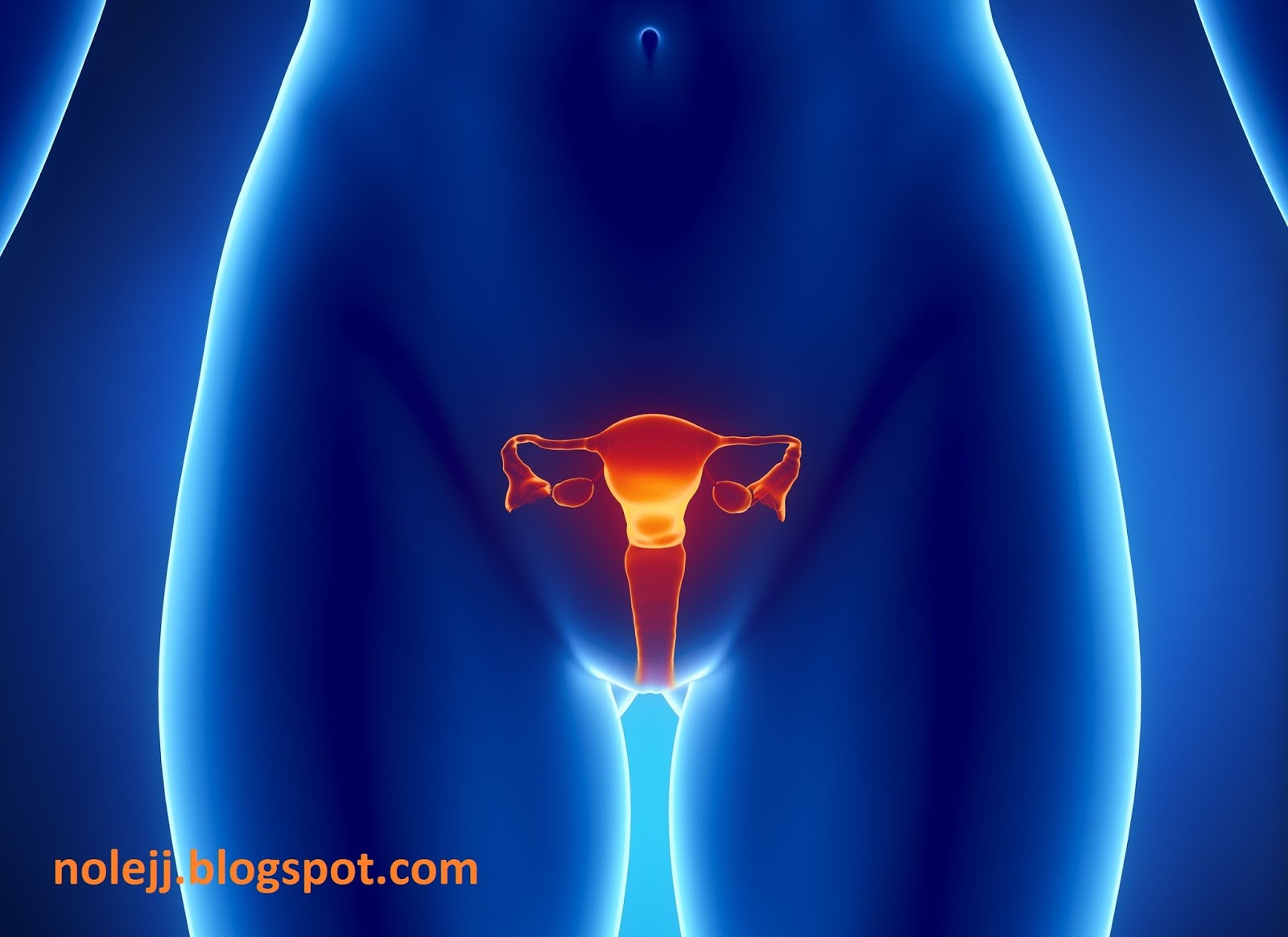
Everything About Vaginal Discharge


Nature has imparted the responsibility and ability of creating every nation upon women. Mother of all nations are women. From the beginning of time, along with this huge forte of creation, women have always been bearing countless physical discomfort and pain. One of those, is Vaginal Discharge.


Vaginal discharge serves an important housekeeping function in the female reproductive system. Fluid made by glands inside the vagina and cervix carries away dead cells and bacteria. This keeps the vagina clean and helps prevent infection.
Most of the time, vaginal discharge is perfectly normal. The amount can vary, as can odor and hue (its color can range from clear to a milky white-ish), depending on the time in your menstrual cycle. For example, there will be more discharge if you are ovulating, breastfeeding, or are sexually aroused. The smell may be different if you are pregnant or you haven't been diligent about your personal hygiene.
None of those changes is cause for alarm. However, if the color, smell, or consistency seems significantly unusual, especially if it accompanied by vaginal itching or burning, you could be noticing an infection or other condition.


What causes abnormal discharge?

Any change in the vagina's balance of normal bacteria can affect the smell, color, or discharge texture. These are a few of the things that can upset that balance:
Antibiotic or steroid use
Bacterial vaginosis, a bacterial infection more common in pregnant women or women who have multiple sexual partners
Birth control pills
Cervical cancer
Chlamydia or gonorrhea (STDs), sexually transmitted infections
Diabetes
Douches, scented soaps or lotions, bubble bath
Pelvic infection after surgery
Pelvic inflammatory disease (PID)
Trichomoniasis, a parasitic infection typically contracted and caused by having unprotected sex
Vaginal atrophy, the thinning and drying out of the vaginal walls during menopause
Vaginitis, irritation in or around the vagina
Yeast infections
See the chart below to learn more about what a particular type of discharge might mean.


Types of Abnormal Discharge and Their Possible Causes

Type of Discharge
What It Might Mean
Other Symptoms
Bloody or brown
Irregular menstrual cycles, or less often, cervical or endometrial cancer
Abnormal vaginal bleeding, pelvic pain
Cloudy or yellow
Gonorrhea
Bleeding between periods, urinary incontinence
Frothy, yellow or greenish with a bad smell
Trichomoniasis
Pain and itching while urinating
Pink
Shedding of the uterine lining after childbirth (lochia)

Thick, white, cheesy
Yeast infection
Swelling and pain around the vulva, itching, painful sexual intercourse
White, gray, or yellow with fishy odor
Bacterial vaginosis
Itching or burning, redness and swelling of the vagina or vulva


How does the doctor diagnose abnormal discharge?

The doctor will start by taking a health history and asking about your symptoms. Questions may include:
When did the abnormal discharge begin?
What color is the discharge?
Is there any smell?
Do you have any itching, pain, or burning in or around the vagina?
Do you have more than one sexual partner?
Do you douche?
The doctor may take a sample of the discharge or do a Pap test to collect cells from your cervix for further examination.


How is abnormal discharge treated?

How you are treated will depend on what’s causing the problem. For example, yeast infections are usually treated with antifungal medications inserted into the vagina in cream or gel form. Bacterial vaginosis is treated with antibiotic pills or creams. Trichomoniasis is usually treated with the drug metronidazole (Flagyl) or tinidazole(Tindamax).
Here are some tips for preventing vaginal infections that can lead to abnormal discharge:
Keep the vagina clean by washing regularly with a gentle, mild soap and warm water.
Never use scented soaps and feminine products or douche. Also avoid feminine sprays and bubble baths.
After going to the bathroom, always wipe from front to back to prevent bacteria from getting into the vagina and causing an infection.
Wear 100% cotton underpants, and avoid overly tight clothing.

Observing all the pain and discomfort women go through, we should all salute and adore every women.

coutesy webmd
Kindly Share With Friends and Family

Sexual Problems & Solutions

One of the greatest pleasure of mankind is the gift of love. In love one finds true solace. Love imparts different types of satisfaction upon human mind. One of them is sexual satisfaction. Two human beings become one through sexual oneness. But along with the pleasure come complications, confusions and queries. 


Find solution to all the troubles and queries of your love & sex life.
Call our love & sex correspondent at +91 8902489847


Kindly Share With Friends & Family

Get Super-strength Like Superman


Many of you folks dream of having extraordinary superhuman powers like Superman. The way superman toss off any hindrance that lies in his way of justice, we all just love it. But, have you ever thought of achieving those superpowers, being such a strong man that you could lift off a car with your bare hands. Perhaps, it is more real than you think.

In 2006 in Tucson, Ariz., Tim Boyle watched as a Chevrolet Camaro hit 18-year-old Kyle Holtrust. The carpinned Holtrust, still alive, underneath. Boyle ran to the scene of the accident and lifted the Camaro off the teenager, while the driver of the car pulled him to safety.


In 1982, in Lawrenceville, Ga., Angela Cavallo lifted a 1964Chevrolet Impala from her son, Tony, after it fell off the jacks that had held it up while he worked underneath the car. Mrs. Cavallo lifted the car high enough and long enough for two neighbors to replace the jacks and pull Tony from beneath the car.
Marie "Bootsy" Payton was cutting her lawn in High Island, Texas, when her riding mower got away from her. Payton's young granddaughter, Evie, tried to stop the mower, but was knocked underneath the still-running machine. Payton reached the mower and easily tossed it off her granddaughter, limiting Evie's injuries to four severed toes. Curious, Payton later tried to lift the mower again and found she couldn't move it.
What accounts for feats of superhuman strength like these? Are they glimpses into the lives of superheroes' alter egos? Or are all of us imbued with amazing strength?
Although well-documented when they do occur, feats of hysterical strength — unnatural and amazing strength tapped during high-stress situations — are not recognized by medical science. This is largely due to the problem of gathering evidence: Instances like these come about without warning, and to reproduce these situations in a clinical setting would be unethical and dangerous.
But we are aware of the effects of adrenaline, a hormone shown to increase strength to amazing degrees for short periods of time.


WOMAN VS. POLAR BEAR

Adrenaline doesn't just help people lift cars. In Ivujivik, Quebec, in 2006, Lydia Angyiou wrestled a large polar bear that she saw advancing toward her son and another boy while they played hockey. Angyiou tackled the polar bear and fought it while the boys ran for help. While Angyiou suffered some wounds, the polar bear ultimately lost the fight. Angyiou sparred with it long enough that a neighbor was able to shoot the bear four times until it died.

Adrenaline and Strength

When we feel fear or are faced with a sudden dangerous situation, the human body undergoes an amazing change. The stressor — for example, the sight of your son pinned beneath a car — stimulates the hypothalamus. This region of the brain is responsible for maintaining the balance between stress and relaxation in your body. When it's alerted to danger, it sends out a chemical signal to your adrenal glands, activating the sympathetic system, which sends the body into an excited state. These glands release adrenaline (epinephrine) and noradrenaline (norepinephrine), hormones that create the state of readiness that helps a human confront danger. Together, these hormones raise heart rate, increase respiration, dilate the pupils, slow down digestion and — perhaps most importantly — allow muscles to contract.
All of these changes in our normal physical state prepare us to face danger head-on. Combined, they make us more agile, allow us to take in more information and help us use more energy. But adrenaline's effect on muscles accounts for amazing strength. Adrenaline acts on muscles, allowing them to contract more than they can when the body is in a calm or neutral state.
When adrenaline is released by the adrenal medulla — an interior region of the adrenal glands, which are located just above your kidneys — it allows blood to flow more easily to your muscles. This means that more oxygen is carried to your muscles by the extra blood, which allows your muscles to function at elevated levels. Skeletal muscles — those attached to bones by tendons — are activated by electrical impulses from the nervous system. When they're stimulated, muscles contract, meaning they shorten and tighten. This is what happens when you lift an object, run or throw a punch. Adrenaline also facilitates the conversion of the body's fuel source (glycogen) into its fuel (glucose). This carbohydrate gives energy to muscles, and a sudden burst of glucose also allows muscles to strengthen further.
So does this mean that we have superhuman strength that is unlocked when we're confronted with danger? That's one way to put it.
Some theorize that we normally use only a small percentage of our muscles' capabilities. When we are confronted with danger, we transcend the limitations of our muscles and simply act. The rush of adrenaline, which accounts for a sudden increase in strength, helps to facilitate a person lifting a car. In other words, when confronted with extreme stress, we involuntarily use our muscles beyond the limitations of their normal voluntary use.
This theory is supported by what happens when a person is electrocuted. Someone who is shocked can be thrown a notable distance from where the shock took place. But this is not due to the electric shock. Instead, it's a sudden and violent contraction of the person's muscles as a result of the electrical charge flowing through the body. This demonstrates a potential for muscle contraction that isn't utilized under normal circumstances. In much the same way that people can't throw themselves across the room, they also can't normally lift a car — the resources aren't available without the threat.


Why Calm is Better

So why do we only possess strength in short bursts when confronted with danger? Why don't we walk around in a constant heightened state of agitation? The short answer is, it would kill us. Here's the long answer.
Turning potential muscle strength into actual muscle strength takes deliberate training. Muscles strengthen over time through use, as in lifting weights. While our muscles may possess potential strength that can be tapped when faced with danger, this can also have dangerous repercussions. Muscles suddenly used beyond their capacity can tear, and joints can be pulled out of their sockets.
The physical state of agitation, too, can cause lasting negative effects beyond immediate injury. Austrian physician Hans Selye studied the human reaction to stress and concluded there are three stages that make up what he termed general adaptation syndrome. The first stage occurs when you encounter stress, the alarm reaction (AR) stage. This stage includes the arousal of your fight-or-flight response to a stressor. All of your internal alarms are activated and you prepare to face danger or run away. The next stage is the stage of resistance (SR). In the SR stage, the human response to danger is in full swing: Your pupils dilate, your heart rate and respiration go up and your muscles contract. At this point you are running for your life, lifting a car off another person or engaged in another above-average activity.
In the case of seeing a person pinned beneath a car, the stressor is short-lived. The body begins to relax and returns to its normal state after a few tense minutes. After the stressor is gone, the parasympathetic system kicks in. This system plays a role opposite of the sympathetic system. When the parasympathetic system takes over, heart rate slows again, breathing returns to normal, muscles relax and nonessential functions (like digestion) immediately begin again. The hypothalamus, which is responsible for triggering both the sympathetic response in the face of danger and the parasympathetic response after the danger has passed, is ultimately responsible for achieving a balance between both. This balance, the body's normal state, is called homeostasis.
When the body stays in an excited state for a prolonged period, it enters the final state of Selye's general adaptation syndrome — the state of exhaustion (SE). This stage occurs when response to a stressor has gone on too long. In this state of hyperarousal, the body's immune system begins to wear down. As a result, a person will be more susceptible to infections and other illnesses as the body's defenses have been spent on dealing with a stressor. A person in a prolonged state of stress may easily catch a cold or have an increased chance of suffering a heart attack. The state of exhaustion stage is seen most frequently in cases of prolonged stress, such as workplace stress.
 
So ultimately it's a good thing your body's goal is homeostasis. If we existed in an excited state all the time, we would run out of gas. So, keep your anger in your control, cause it will prove to be most necessary stimulant to make give super-strength when you or your near ones are in danger.

Kindly Share With Friends & Family

First Ever Cure For Diabetes - Miracurall

The first ever Cure for the deadly disease named as Diabetes or High Blood Sugar has recently been invented in India named as Miracurall. The invention is shown in the video here by the Inventor himself. Such an invention is a great gift to humanity. The Cure is a brain-child of an Inventor & Independent Researcher, Mr. Abhijit Naskar.


Diabetes Mellitus has so long been thought to be an incurable disease. People with this disorder, would have to take medications their whole life along with a restricted diet to keep their blood sugar level in control. It has been tyrannizing mankind for ages. A person having a fasting glucose level under 100 mg/dl is considered as normal, 100-126 mg/dl is pre-diabetic and a fasting glucose level above 126 mg/dl is diabetic. For two long years, Mr. Naskar has worked individually on making the cure for this deathly disease a reality.

The cure is a portable electronic device which compels the Central Nervous System and Immune System to start working on the regeneration of the pancreatic cells and the receptor cells that are responsible for regulating blood sugar level. To put it simply, the malfunctions inside the human body that are the causes of diabetes, get cured and those defective cells start working normally again. It is administered from outside of the body. Consequently, a person with a Hyperglycemia (high blood sugar level), no more has it high, and gets transformed into a normal human being, who could eat and drink any sweetness he/she wants. He/she needs not to take any more medicines. This device doesn't just make the blood sugar level normal, it CURES Diabetes ( both Type - I & II ) completely not to come back again. It is a CURE, not just control. Mr. Naskar has named his invention as MIRACURALL.

Anybody who wants to learn more or have any other query may contact the inventor through the video. Voluntary administration of the device conducted by the inventor has been a true success. Mr. Naskar holds a patent for Miracurall. The device will be launched into the international market in near future. Afterwards there will be no more utterance of the terrible Diabetes on planet earth. This device is the first ever cure for Diabetes in the whole world and perhaps one of the most important footsteps towards a better, peaceful and diabetes-free future.

MIRACURALL - An Electronic Cure For Diabetes Mellitus
Invented by Mr. Abhijit Naskar, Independent Researcher


Kolkata, India
Email : victornskr@gmail.com


Kindly Share With Your Close Ones & Step Forward Towards a Disease Free Future

Raja Yoga - The Science of Spirituality

The fire of Yoga burns the cage of sin that surrounds a man. Knowledge becomes purified and Nirvana is directly obtained. From Yoga comes knowledge; knowledge again helps the Yogi. He who combines in himself both Yoga and knowledge, with him the Lord is pleased. 


Those who practise Mahayoga, either once a day, or twice a day, or thrice, or always, know them to be gods. Yoga is divided into two parts. One is called Abhava, and the other, Mahayoga. Where one's self is meditated upon as zero, and bereft of quality, that is called Abhava. That in which one sees the self as full of bliss and bereft of all impurities, and one with God, is called Mahayoga. The Yogi, by each one, realises his Self. The other Yogas that we read and hear of, do not deserve to be ranked with the excellent Mahayoga in which the Yogi finds himself and the whole universe as God. This is the highest of all Yogas. Yama, Niyama, Asana, Pranayama, Pratyahara, Dharana, Dhyana, and Samadhi are the steps in Raja-Yoga, of which non-injury, truthfulness, non-covetousness, chastity, not receiving anything from another are called Yama. This purifies the mind, the Chitta. Never produc ing pain by thought, word, and deed, in any living being, is what is called Ahimsa, non-injury. There is no virtue higher than non-injury. There is no happiness higher than what a man obtains by this attitude of non-offensiveness, to all creation. By truth we attain fruits of work. Through truth everything is attained. In truth everything is established. Relating facts as they are this is truth. Not taking others' goods by stealth or by force, is called Asteya, non-covetousness. Chastity in thought, word, and deed, always, and in all conditions, is what is called Brahmacharya. 


Not receiving any present from anybody, even when one is suffering terribly, is what is called Aparigraha. The idea is, when a man receives a gift from another, his heart becomes impure, he becomes low, he loses his independence, he becomes bound and attached. The following are helps to success in Yoga and are called Niyama or regular habits and observances ; Tapas, austerity; Svadhyaya, self-study; Santosha, contentment; Shaucha, purity; Ishvara-pranidhana, worshipping God. Fasting, or in other ways controlling the body, is called physical Tapas. Repeating the Vedas and other Mantras, by which the Sattva material in the body is purified, is called study, Svadhyaya. There are three sorts of repetitions of these Mantras. One is called the verbal, another semi-verbal, and the third mental. The verbal or audible is the lowest, and the inaudible is the highest of all. The repetition which is loud is the verbal ; the next one is where only the lips move, but no sound is heard. The inaudible repetition of the Mantra, accompanied with the thinking of its meaning, is called the "mental repetition," and is the highest. The sages have said that there are two sorts of purification, external and internal. The purification of the body by water, earth, or other materials is the external purification, as bathing etc. Purification of the mind by truth, and by all the other virtues, is what is called internal purification. Both are necessary. It is not sufficient that a man should be internally pure and externally dirty. 


When both are not attainable the internal purity is the better, but no one will be a Yogi until he has both. Worship of God is by praise, by thought, by devotion. We have spoken about Yama and Niyama. The next is Asana (posture). The only thing to understand about it is leaving the body free, holding the chest, shoulders, and head straight. Then comes Pranayama. Prana means the vital forces in one's own body, Ayama means controlling them. There are
three sorts of Pranayama, the very simple, the middle, and the very high. Pranayama is divided into three parts: filling, restraining, and emptying. When you begin with twelve seconds it is the lowest Pranayama ; when you begin with twenty-four seconds it is the middle Pranayama ; that Pranayama is the best which begins with thirty-six seconds. In the lowest kind of Pranayama there is perspiration, in the medium kind, quivering of the body, and in the highest Pranayama levitation of the body and influx of great bliss. There is a Mantra called the Gayatri. It is a very holy verse of the Vedas. "We meditate on the glory of that Being who has produced this universe ; may He enlighten our minds." Om is joined to it at the beginning and the end. In one Pranayama repeat three Gayatris. In all books they speak of Pranayama being divided into Rechaka (rejecting or exhaling), Puraka (inhaling), and Kumbhaka (restraining, stationary). The Indriyas, the organs of the senses, are acting outwards and coming in contact with external objects. Bringing them under the control of the will is what is called Pratyahara or gather ing towards oneself. Fixing the mind on the lotus of the heart, or on the centre of the head, is what is called Dharana. Limited to one spot, making that spot the base, a particular kind of mental waves rises ; these are not swallowed up by other kinds of waves, but by degrees become prominent, while all the others recede and finally disappear. Next the multiplicity of these waves gives place to unity and one wave only is left in the mind. This is Dhyana, meditation. When no basis is necessary, when the whole of the mind has become one wave, one-formedness, it is called Samadhi. Bereft of all help from places and centres, only the meaning of the thought is present. If the mind can be fixed on the centre for twelve seconds it will be a Dharana, twelve such Dharanas will be a Dhyana, and twelve such Dhyanas will be a Samadhi. Where there is fire, or in water or on ground which is strewn with dry leaves, where there are many ant-hills, where there are wild animals, or danger, where four streets meet, where there is too much noise, where there are many wicked persons, Yoga must not he practised. Do not practise when the body feels very lazy or ill, or when the mind is very miserable and sorrowful. Go to a place which is well hidden, and where people do not come to disturb you. Do not choose dirty places. Rather choose beautiful scenery, or a room in your own house which is beautiful. When you practise, first salute all the ancient Yogis, and your own Guru, and God, and then begin. 


Dhyana is spoken of, and a few examples are given of what to meditate upon. Sit straight, and look at the tip of your nose. Later on we shall come to know how that concentrates the mind, how by controlling the two optic nerves one advances a long way towards the control of the arc of reaction, and so to the control of the will. Here are a few specimens of meditation. Imagine a lotus upon the top of the head, several inches up, with virtue as its centre, and knowledge as its stalk. The eight petals of the lotus are the eight powers of the Yogi. Inside, the stamens and pistils are renunciation. If the Yogi refuses the external powers he will come to salvation. So the eight petals of the lotus are the eight powers, but the internal stamens and pistils are extreme renunciation, the renunciation of all these powers. Inside of that lotus think of the Golden One, the Almighty, the Intangible, He whose name is Om, the Inexpressible, surrounded with effulgent light. Meditate on that. Another meditation is given. Think of a space in your heart, and in the midst of that space think that a flame is burning. Think of that flame as your own soul and inside the flame is another effulgent light, and that is the Soul of your soul, God. Meditate upon that in the heart. Chastity, non-injury, forgiving even the greatest enemy, truth, faith in the Lord, these are all different Vrittis. 


Be not afraid if you are not perfect in all of these ; work, they will come. He who has given up all attachment, all fear, and all anger, he whose whole soul has gone unto the Lord, he who has taken refuge in the Lord, whose heart has become purified, with whatsoever desire he comes to the Lord, He will grant that to him. Therefore worship Him through knowledge, love, or renunciation. "He who hates none, who is the friend of all, who is merciful to all, who has nothing of his own, who is free from egoism, who is even-minded in pain and pleasure, who is forbearing, who is always satisfied,, who works always in Yoga, whose self has become controlled, whose will is firm, whose mind and intellect are given up unto Me, such a one is My beloved Bhakta. From whom comes no disturbance, who cannot be disturbed by others, who is free from joy, anger, fear, and anxiety, such a one is My beloved. He who does not depend on anything, who is pure and active, who does not care whether good comes or evil, and never becomes miserable, who has given up all efforts for himself ; who is the same in praise or in blame, with a silent, thoughtful mind, blessed with what little comes in his way, homeless, for the whole world is his home, and who is steady in his ideas, such a one is My beloved Bhakta." Such alone become Yogis. 

There was a great god-sage called Narada. Just as there are sages among mankind, great Yogis, so there are great Yogis among the gods. Narada was a good Yogi, and very great. He travelled everywhere. One day he was passing through a forest, and saw a man who had been meditating until the white ants had built a huge mound round his body - so long had he been sitting in that position. He said to Narada, "Where are you going?" Narada replied, "I am going to heaven." "Then ask God when He will be merciful to me ; when I shall attain freedom." Further on Narada saw another man. He was jumping about, singing, dancing, and said, "Oh, Narada, where are you going?" His voice and his gestures were wild. Narada said, "I am going to heaven." "Then, ask when I shall be free." Narada went on. In the course of time he came again by the same road, and there was the man who had been meditating with the ant-hill round him. He said, "Oh, Narada, did you ask the Lord about me?" "Oh, yes." "What did He say?" "The Lord told me that you would attain freedom in four more births." Then the man began to weep and wail, and said, "I have meditated until an ant-hill has grown around me, and I have four more births yet!" Narada went to the other man. "Did you ask my question ?" "Oh, yes. Do you see this tamarind tree? I have to tell you that as many leaves as there are on that tree, so many times, you shall be born, and then you shall attain freedom." The man began to dance for joy, and said, "I shall have freedom after such a short time!" A voice came, "My child, you will have freedom this minute." That was the reward for his perseverance. He was ready to work through all those births, nothing discouraged him. But the first man felt that even four more births were too long. Only perseverance, like that of the man who was willing to wait aeons brings about the highest result.